
Vodder’s Technique MLD Therapy
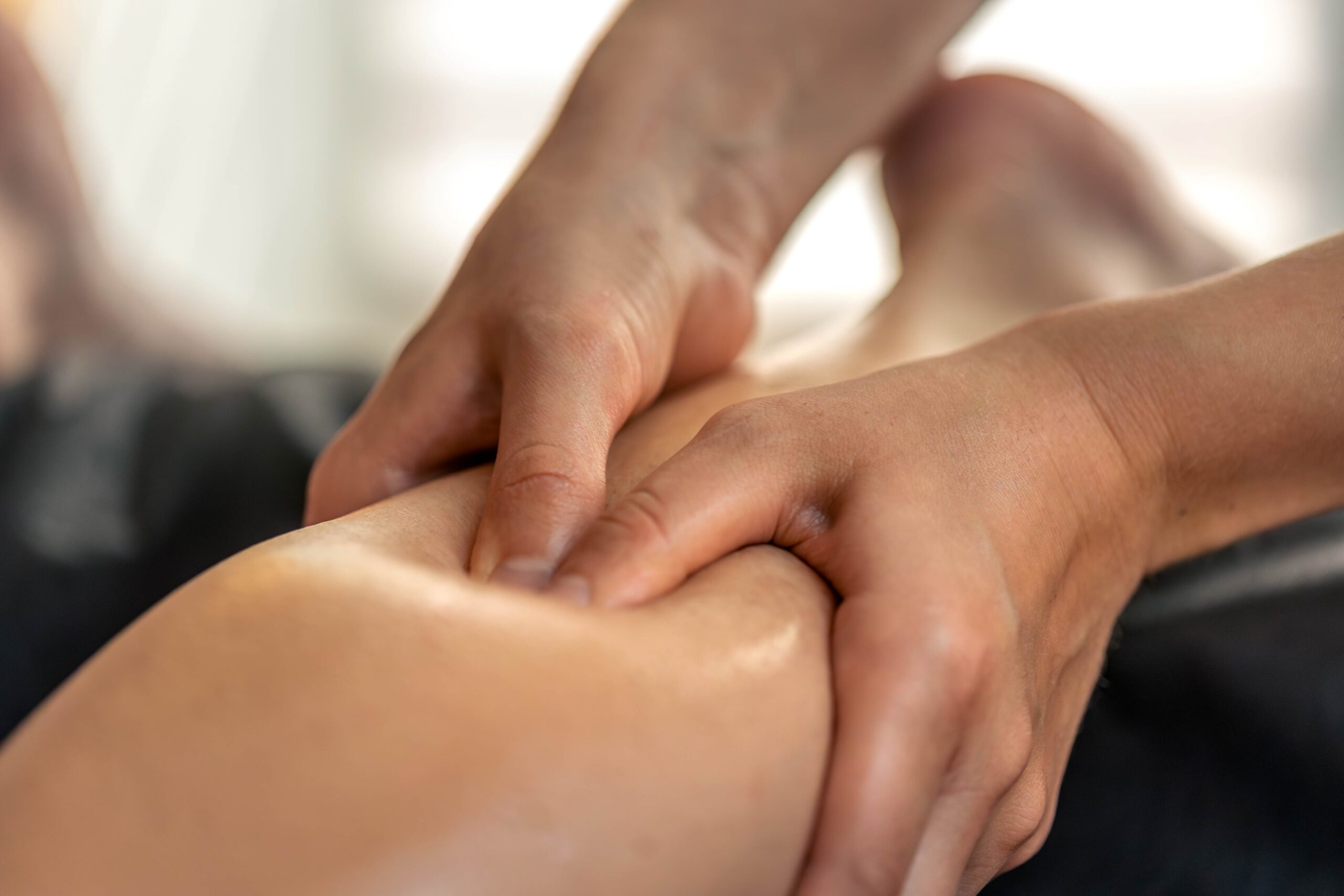
Manual Lymphatic Drainage (MLD) at LifeShine is a specialised, gentle body therapy designed to support one of the body’s quietest but most essential systems, the lymphatic system. Unlike circulation, which is driven by the heart, the lymphatic system relies largely on movement, breathing, tissue pressure and internal rhythm to carry fluid, support immune function and maintain balance throughout the body.
Using the Vodder’s technique, this Manual Lymphatic Drainage session uses very light, rhythmic and intentional movements across the skin to encourage natural lymph movement and support fluid exchange within the tissues.
MLD uses these precise movements to stimulate the lymphatic vessels located just beneath the skin. These vessels collect excess interstitial fluid containing cellular waste products, proteins, inflammatory by-products and immune cells that cannot be returned directly to the bloodstream. By encouraging lymphatic flow, MLD assists the body’s natural fluid transport system, allowing this fluid to return to the circulation where it can be processed through the body’s normal filtration organs, including the kidneys and liver. Many people notice increased urination following treatment as this excess fluid is naturally eliminated.
At LifeShine, MLD is approached with precision and care. This is not deep tissue massage and does not rely on force. The pressure is subtle and specific, designed to work with the body’s natural pathways rather than compressing or pushing against them.
Each session begins with understanding your current health picture, energy levels and what may be contributing to your symptoms. Treatment is then adapted to support your body’s capacity and tolerance.
It is often incorporated into broader therapeutic programmes where circulation, recovery and regulation are priorities. For example, when your body experiences:
-
- prolonged stress
- illness
- inflammation
- surgery
- injury
- fluid retention
- sustained physiological load
Under these circumstances, amongst others, this system can become slower and less efficient. People often describe feeling puffy, heavy, sluggish or as though their body is holding onto more than it can comfortably process.
Many describe a sensation of softness returning to the tissues, easier movement, a lighter body, calmer breathing and a deeper state of relaxation following sessions.
At LifeShine, MLD is offered with the understanding that healing is rarely about pushing harder. Often it begins when the body feels safe enough to release, circulate and reorganise itself again.
What the science says
The internationally recognised Vodder Method, developed by Dr Emil Vodder in the 1930s and still regarded as one of the foundational approaches to lymphatic therapy. Unlike conventional massage, the Vodder Method uses precise, rhythmic skin movements designed to stimulate superficial lymphatic vessels without compressing the deeper tissues. Research suggests these gentle techniques can support lymph transport, improve fluid movement and assist in the management of lymphoedema and post-surgical swelling when incorporated into appropriate treatment programmes. While ongoing research continues to explore its broader applications, the strongest evidence supports its role in fluid management, rehabilitation and promoting relaxation through gentle autonomic nervous system regulation.
Manual lymphatic drainage: exploring the history and evidence base (2010)
This paper outlines the historical background to MLD and provides insights into the evidence relating to the effect and efficacy of manual lymph drainage, highlighting considerations for lymphoedema practitioners.
Anne Williams (2010) British Journal of Community Nursing : https://pubmed.ncbi.nlm.nih.gov/20559172/
Effect of manual lymph drainage as described by Vodder on oedema of the hand after fracture of the distal radius (2000)
The aim of this study was to evaluate the efficacy of manual lymph drainage, as described by Vodder, in reducing oedema in the hand after a traumatic injury.
Härén K, Backman C, Wiberg M. (2000) Scandinavian Journal of Plastic and Reconstructive Surgery and Hand Surgery : https://pubmed.ncbi.nlm.nih.gov/11195876/
