
Reflexology Therapy
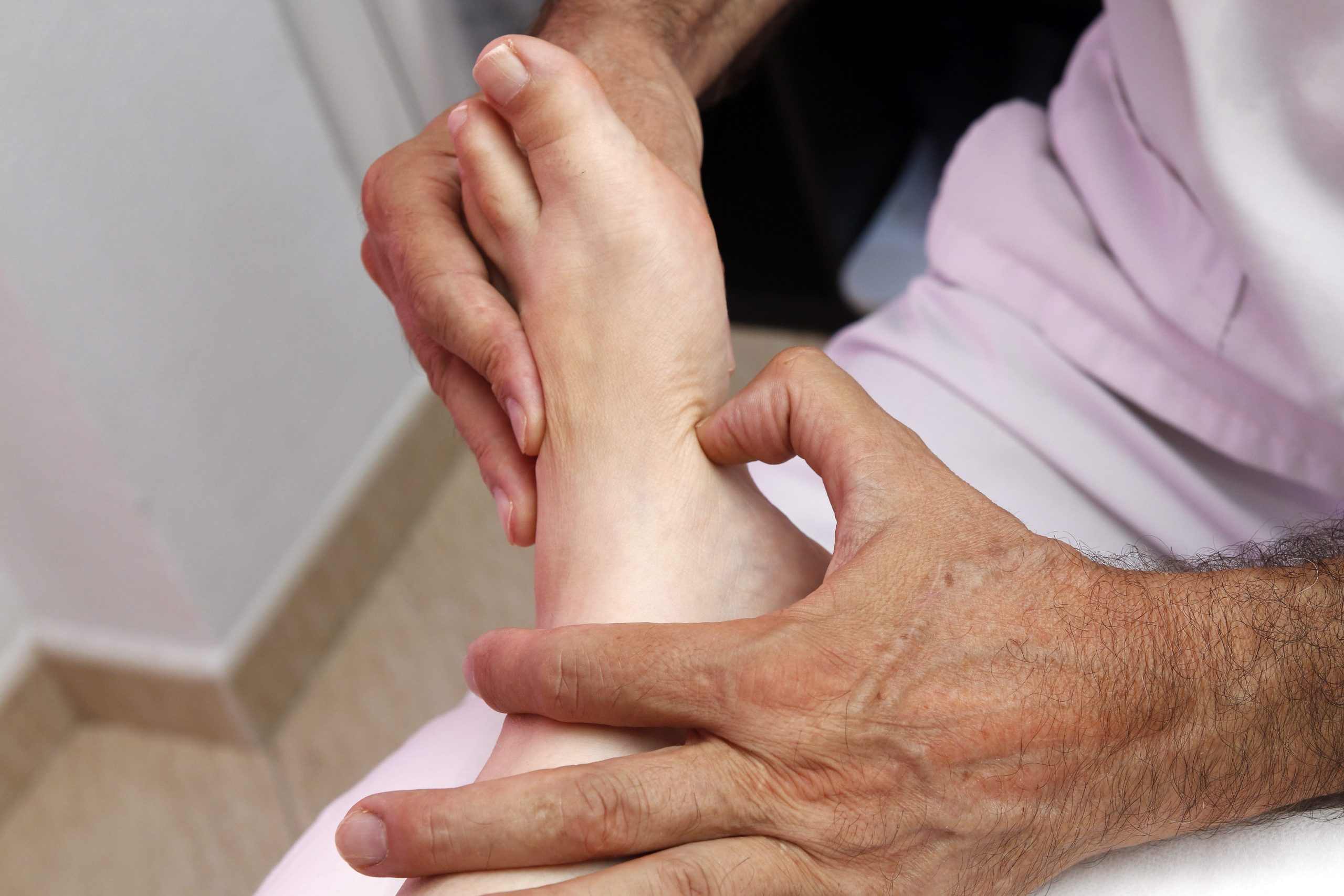
Reflexology at LifeShine is a gentle, targeted massage technique focused primarily on the feet, hands and occasionally the ears. By applying specific pressure to reflex points that correspond to different organs and systems of the body, this therapy supports improved blood circulation, stimulates the nervous system, helps ease tension and induces a deep state of relaxation. Clients often describe a session as deeply calming, with a sense of release from both physical stress and mental tension that can feel like a resetting of internal balance.
When the body is tense, whether from day-to-day stress, muscular strain or nervous overload, the nervous system can become overly sensitised and circulation may become sluggish. Reflexology helps the body shift into a more relaxed physiological state. Through expert touch and the stimulation of reflex points, the body is invited into a calmer rhythm that can support better blood flow, increased energy and an overall sense of ease.
At LifeShine, each reflexology session begins with a conversation to understand your current experience, areas of tension and wellbeing goals. You then rest comfortably while a trained reflexologist applies measured pressure to reflex points using their thumbs, fingers and palms. Sessions typically last between 45 and 60 minutes, with many clients appreciating a series of treatments to support cumulative effects on stress, circulation, nervous balance and comfort.
Clients often turn to reflexology when seeking relief from stress, nervous tension, sleep disturbances, discomfort related to muscular tightness, or a desire for restorative relaxation. Many describe feeling lighter in their body, more grounded in their mind, and better equipped to manage daily demands after a series of sessions. Reflexology at LifeShine integrates seamlessly with our broader wellness offerings, including hydration, breathwork, mindfulness and movement practices, to support resilience and harmony.
Reflexology at LifeShine is offered with the same attention to respect, safety and sensitivity to your history that defines all our therapies. Each session is a step toward rediscovering comfort, rhythm and ease within your body and nervous system.
What the science says
A growing body of research examines how reflexology interacts with physiological and nervous system responses, providing insight into why many people experience reduced tension, improved circulation and deep relaxation after sessions. While the mechanisms are complex and research continues to evolve, several recent studies and meta-analyses support measurable changes in vital signs and nervous system regulation associated with reflexology.
Foot Reflexology and Vital Signs (2023)
A meta-analysis of randomized controlled trials evaluated the effects of foot reflexology on vital signs. Data from thirteen studies (819 participants) showed that reflexology was associated with statistically significant reductions in systolic and diastolic blood pressure, heart rate and respiratory rate, alongside an increase in pulse oxygen saturation. These changes suggest that reflexology promotes relaxation responses and shifts in autonomic nervous system balance, which can support reduced physiological stress.
The Effects of Foot Reflexology on Vital Signs: A Meta-Analysis of Randomized Controlled Trials — PMC, 2023
Reflexology and Hemodynamic Parameters (2024)
A meta-analysis focusing on cardiovascular patients found that reflexology significantly reduced both systolic and diastolic blood pressure in individuals with heart conditions. These findings reinforce the interpretation that reflexology can influence circulatory dynamics and stress-related outcomes, likely through combined nervous system and vascular responses.
The effect of reflexology on blood pressure and heart rate in cardiovascular patients — PubMed, 2024
Autonomic Nervous System Modulation (2011)
An early feasibility study investigated how reflexology might affect stress markers in healthy adults following induced mental stress. Although small, this study highlighted potential modulation of the autonomic nervous system through reflexology techniques, supporting the idea that reflexology can influence stress responses and nervous system balance.
The effect of reflexology on the autonomic nervous system in healthy adults: a feasibility study — PubMed, 2011
Mechanisms Explored in Systematic Reviews (2022)
A review of reflexology research explored possible mechanisms of action, including the roles of therapeutic touch, relaxation responses and nervous system stimulation. While more research is needed to fully map the specific biological pathways, current evidence suggests that reflexology’s effects may involve both local stimulation of nerve endings and systemic shifts in physiological regulation.
Reflexology: Exploring the mechanism of action — PubMed, 2022
Clinical Support for Anxiety, Pain and Fatigue Reduction (2023)
Clinical studies in procedural settings (such as patients undergoing coronary angiography) have shown that reflexology can significantly reduce anxiety, pain and moderate to severe fatigue compared with control groups. These outcomes are attributed to improved blood circulation, release of endorphins and activation of large nerve fibres that inhibit pain signal transmission.
Effect of hand reflexology in ameliorating anxiety, pain, and fatigue among patients undergoing coronary angiography — BMC Complementary Medicine and Therapies, 2023
