

This article is intended to help you understand what EBOO therapy actually is, how it works, what happens to your blood during treatment, and how the filtration, oxygenation and ozonation processes work together. It also explains the difference between EBOO1 and EBOO2, who can benefit from EBOO, and how we use this advanced therapy as part of the broader integrative and regenerative approach at LifeShine.
Extracorporeal Blood Oxygenation and Ozonation (EBOO) is an advanced integrative therapy that circulates a portion of the blood outside the body through a specialised medical system, where it is filtered, exposed to a carefully controlled mixture of medical-grade oxygen and ozone, and then returned to the circulation.
The word extracorporeal simply means “outside the body”.
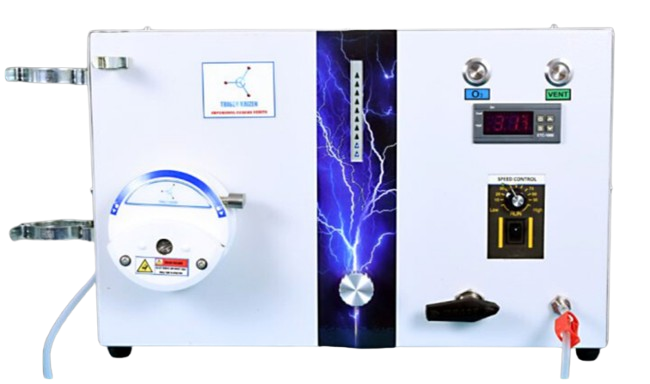
During an EBOO session, blood flows through a closed, sterile circuit before returning to the body through a second vein. The process combines several therapeutic elements: blood filtration, oxygenation and controlled ozone exposure.
EBOO is not simply about adding more oxygen to the body. The influences the environment in which cells function by supporting oxygen delivery, circulation, antioxidant defence, immune signalling and the body’s ability to respond to physiological stress.
At LifeShine, EBOO forms part of a broader regenerative and functional medicine approach. It is used alongside personalised assessment, laboratory testing, nutrition, lifestyle support and other therapies where appropriate.
The underlying philosophy is simple:
Rather than forcing the body to heal, create better conditions in which the body’s own repair and regulatory systems can function more effectively.
Why oxygen matters
Every cell in the body depends on oxygen.
Oxygen is required for energy production, tissue repair, immune activity and countless biochemical processes involved in keeping the body functioning.
Much of the body’s usable energy is produced inside structures called mitochondria. Often described as the “powerhouses” of the cell, mitochondria use oxygen to help convert nutrients into the energy required by the body.
When oxygen delivery or utilisation becomes less efficient, the effects can extend well beyond the tissues directly affected. Energy production, recovery, concentration, exercise tolerance and tissue repair are all influenced.
But oxygen biology is more complicated than simply breathing in more oxygen.
The body needs to:
• transport oxygen effectively in the blood
• release oxygen from red blood cells at the tissues
• deliver oxygen where it is needed
• allow cells and mitochondria to utilise it efficiently
• maintain an appropriate balance between oxidation and antioxidant protection
This is an important distinction.
EBOO is not simply an oxygen treatment. It influences the way blood, oxygen and cellular signalling interact.
What happens during EBOO
During a treatment, two small cannulas are generally placed, one in each arm.
Blood flows from one arm into the EBOO system and through a closed sterile circuit. Depending on the system being used, the blood passes through a filtration membrane and is exposed to a controlled mixture of oxygen and ozone before being returned to the body through the second arm.
The procedure itself takes approximately 60 minutes, with additional time allowed for preparation, cannulation and post-treatment rest.
Nothing artificial is injected into the blood as part of the ozone process. The ozone is generated from medical-grade oxygen and is used at carefully controlled concentrations.
The process can be thought of as having two complementary components:
Filtration
The blood passes through a specialised membrane that allows certain waste products and other substances to be removed from the circulating blood.
Oxygenation and ozonation
The blood is exposed to oxygen and ozone under controlled conditions.
The ozone does not simply remain in the bloodstream. It reacts rapidly and creates short-lived signalling molecules that can trigger biological responses in the body.
This is an important part of understanding ozone therapy.
The aim is not for ozone to circulate around the body as a substance. The aim is to use ozone as a controlled biological stimulus.
What does ozone actually do
Ozone is a molecule made up of three oxygen atoms, written as O₃.
In EBOO, medical-grade ozone is generated from oxygen and introduced into the extracorporeal circuit at a carefully controlled concentration.
Because ozone is highly reactive, it interacts with components of the blood almost immediately. These reactions create signalling molecules that can influence several biological pathways.
Three areas are particularly relevant.
-
Supporting the body’s antioxidant response
-
Supporting oxygen release from red blood cells
-
Influencing immune signalling
Supporting the body’s antioxidant response
One of the important pathways associated with ozone signalling is the Nrf2 pathway.
Nrf2 is involved in regulating the body’s own antioxidant and cellular defence systems. When activated, it can influence the production of protective enzymes including:
-
- glutathione-related enzymes
- superoxide dismutase
- catalase
This is different from simply taking an antioxidant supplement. Rather than supplying an antioxidant directly, the therapeutic stimulus is intended to encourage the body to activate some of its own protective systems. This is one reason ozone therapy is often described as a form of controlled oxidative conditioning.
Supporting oxygen release from red blood cells
Red blood cells do more than simply carry oxygen. They also need to release that oxygen efficiently once they reach tissues.
One of the molecules involved in this process is 2,3-diphosphoglycerate (2,3-DPG).
Ozone exposure influences red blood cell metabolism and oxygen-release dynamics, potentially supporting the availability of oxygen at tissue level. This is particularly relevant to the distinction between having oxygen in the blood and effectively delivering and utilising that oxygen where it is needed.
Influencing immune signalling
The immune system relies on an intricate network of signalling molecules called cytokines.
Chronic physiological stress can be associated with persistent or poorly regulated inflammatory signalling.
Ozone has been studied for its ability to influence these signalling pathways and modulate aspects of the inflammatory response. This does not mean that ozone simply “boosts” the immune system. In many situations, the goal is better described as immune modulation or regulation, supporting a more balanced response rather than pushing immune activity in one direction.
The importance of controlled oxidative stress
At first, the idea of deliberately exposing blood to ozone can seem contradictory.
If oxidative stress can contribute to cellular damage, why introduce an oxidising molecule?
The answer lies in dose and biological response.
EBOO uses a controlled oxidative stimulus. The intention is not to overwhelm the body’s antioxidant systems, but to create a signal that activates adaptive responses.
This is sometimes described as oxidative preconditioning or hormesis.
A small, controlled stressor can stimulate the body’s own defence and adaptation mechanisms.
This concept is found throughout physiology. Exercise is a familiar example. Physical exertion creates temporary physiological stress, but the body responds by adapting, repairing and becoming more resilient.
Ozone therapy applies a similar principle through a very different mechanism.
The therapeutic effect is therefore not simply the presence of ozone. It is the biological response that controlled ozone exposure is intended to trigger.
Filtration - more than ozone alone
One of the characteristics that distinguishes EBOO from many other forms of ozone therapy is the extracorporeal filtration component.
The blood is circulated continuously through a specialised membrane while treatment takes place.
Depending on the filtration system, this allows certain metabolic waste products, oxidised lipoproteins, inflammatory debris and other substances to be removed from the circulating blood.
The filtration component becomes particularly significant with EBOO2, also known as EBOOSAFE (Simple Access Fluid Extraction).
This system incorporates an additional ultrafiltration membrane with finer pores, allowing a greater degree of filtration than the standard EBOO system.
This is why EBOO2 is not considered “stronger EBOO”. It is a different level of filtration, and the choice between EBOO1 and EBOO2 should be based on the individual’s clinical picture.
EBOO1 vs EBOO2
LifeShine offers both EBOO1 and EBOO2. The ozone system and basic treatment process are the same. The key difference lies in the filtration membrane.
EBOO1
EBOO1 uses a standard hollow-fibre membrane. It is commonly considered appropriate for:
• people starting EBOO
• general wellness and optimisation
• immune and metabolic support
• mild to moderate fatigue
• recovery support
• maintenance programmes
• athletes and active individuals
EBOO2
EBOO2 adds an ultrafiltration membrane with finer pores. It is considered where a greater degree of filtration is clinically appropriate, including situations involving:
• more complex chronic health presentations
• significant inflammatory burden
• post-viral illness
• heavy metal burden, particularly alongside chelation
• chronic infections
• certain cardiovascular and metabolic concerns
• inadequate response to an initial EBOO1 series
The important point is that EBOO2 is not automatically better than EBOO1. More filtration is not necessarily what every person needs. A generally healthy person seeking optimisation may be appropriately treated with EBOO1, while someone with a more complex clinical picture can benefit from EBOO2.
The LifeShine medical team determines which approach is appropriate based on the individual’s health history, laboratory results and treatment goals. A treatment should be matched to the person, not escalated because it is considered more advanced.
Visible filtration
One of the unusual things about EBOO is that the filtration process is visible.
As filtration takes place, fluid collected in the waste canister varies in colour, clarity and volume. It appears pale or dark, cloudy or clear, and sometimes containing visible particles.
This is interesting to observe, but it is important not to interpret the appearance of the waste as a standalone diagnostic test.
The body is complex, and the appearance of filtered material varies from person to person and from one session to another.
At LifeShine, the waste collected during treatment is documented as part of the treatment record, alongside clinical observations and the person’s response to therapy.
EBOO and cellular function
The body is an interconnected system.
Circulation influences oxygen delivery. Oxygen influences mitochondrial energy production. Mitochondria influence cellular energy and repair. Immune signalling influences inflammation. Inflammation in turn influences circulation, energy production and recovery.
This is why EBOO is approached as a whole physiological intervention rather than a treatment aimed at one isolated symptom.
The combination of filtration, oxygenation and controlled ozone exposure influences several of these processes simultaneously.
The goal is to support an internal environment in which cells can function, communicate and adapt more effectively.
Who would consider EBOO therapy
EBOO is recommended as part of an individualised health programme for people seeking support with areas such as:
• chronic fatigue and low energy
• persistent inflammatory states
• post-viral illness
• immune dysregulation
• chronic infections
• circulation and cardiovascular health
• metabolic health
• brain fog and cognitive performance
• heavy metal burden
• recovery following intensive medical treatment
• general health optimisation and longevity
• athletic recovery and physical performance
It is also used as supportive care in oncology, where appropriate.
Importantly, EBOO is not a cancer treatment and should never be represented as one. In an oncology setting, the intention is supportive, with treatment decisions made in the context of the individual’s medical care.
EBOO does not replace appropriate conventional medical treatment, targeted antimicrobial treatment, cancer treatment or other clinically indicated interventions.
EBOO for athletes and active bodies
Training places considerable physiological demand on the body.
Exercise requires energy production, oxygen delivery, circulation, tissue repair and continual adaptation to physical stress.
Recovery is therefore not about resting alone. It is about how effectively the body restores its physiological systems after exertion.
EBOO combines filtration with oxygen and ozone exposure to support several of these processes.
The controlled ozone stimulus influences antioxidant defence and redox regulation, while the oxygenation component supports oxygen delivery and utilisation. This makes EBOO an interesting option within a broader recovery strategy for athletes and active individuals.
It is important, however, to understand that EBOO is not simply about putting more oxygen into the body.
The bigger question is how effectively the body transports, releases and uses oxygen, manages physiological stress and restores itself after exertion.

EBOO is also attracting attention in the world of professional sport. Four-time NBA champion John Salley and MLB star Bryce Harper have both publicly undergone EBOO treatment, reflecting the interest in advanced blood-based therapies as part of athlete recovery and wellness.
EBOO for chronic fatigue and post-viral illness
Fatigue is rarely as simple as being tired. Energy production depends on the coordinated function of mitochondria, oxygen delivery, circulation, nutrient availability, nervous system regulation and inflammatory signalling. Post-viral conditions can involve several of these systems at once. EBOO is used in integrative medicine programmes to support this physiological environment by combining oxygenation with ozone-mediated signalling and blood filtration.
For some people, this may translate into changes in energy, sleep, cognitive clarity or exercise tolerance. Responses vary considerably, however, and treatment should be monitored rather than assumed to produce a particular outcome.
EBOO and detoxification
The word “detox” is used very broadly in the wellness world. At LifeShine, detoxification is understood as a physiological process involving the body’s own organs and elimination systems, particularly the liver, kidneys, digestive system and lymphatic system. EBOO does not replace these systems. The filtration component provides an additional extracorporeal process through which certain substances can be removed from circulating blood. This is particularly relevant when EBOO is incorporated into a broader programme addressing metabolic waste, inflammatory burden or heavy metal exposure. Where heavy metals are being treated, EBOO may be used alongside chelation therapy, but the two are not performed on the same day. They are generally staggered so that the body has time to process the effects of each intervention.
EBOO and chronic infections
Ozone has demonstrated antimicrobial activity in laboratory and clinical contexts, and its interaction with microbial membranes and viral structures is one of the reasons it has been investigated as part of integrative approaches to infection. Within EBOO, however, the broader intention is not simply to “kill pathogens”.
The therapy also influences immune signalling, oxidative balance and the physiological environment in which the body responds to infection. People with chronic infections may occasionally experience a temporary worsening of symptoms after treatment. This is often referred to as a Herxheimer reaction. Symptoms can include:
• fatigue
• body aches
• flu-like feelings
• headache
• temporary increase in existing symptoms
These reactions are generally temporary, but their severity varies. The LifeShine clinical team monitors the response and can adjust the treatment approach where necessary.
EBOO vs other ozone therapies
Not all ozone therapies are the same.
One of the more familiar forms is Major Autohaemotherapy (MAH). In this procedure, a relatively small amount of blood is withdrawn, exposed to oxygen and ozone outside the body, and then returned.
EBOO is different. With EBOO, blood circulates continuously through an extracorporeal circuit for the duration of the treatment. A substantially larger volume of blood is processed, and filtration occurs as part of the procedure. EBOO2 adds a further ultrafiltration component.
So while both approaches use ozone, they should not be thought of as interchangeable therapies.
The defining feature of EBOO is the combination of continuous extracorporeal blood processing, filtration, oxygenation and controlled ozonation.